
Hydration in Heat and Humidity: How Much Water You Need in Panama’s Climate
You leave home at seven and your shirt already feels sticky. At noon, you walk two blocks for lunch and return looking for the first cold drink you can find.
In a climate like Panama’s, water is not a seasonal topic. It is part of the entire day.
Even so, we often reach the evening feeling that we have drunk less than we needed. Not through carelessness, but because water was not within reach when we needed it.
Why do heat and humidity change the equation?
Your body regulates its temperature mainly through sweat. When it is hot, you sweat more. When the air is also very humid, that sweat evaporates less easily, so the body tends to produce more to achieve the same effect.
The practical result is simple: you lose more fluid than you would in a dry environment at the same temperature, sometimes without noticing as much because the sweat stays on your skin instead of drying.
Constantly moving between hot outdoor areas and air-conditioned spaces can also make you feel less thirsty even after fluid loss has occurred.
There is no single number for everyone
It is tempting to look for a fixed number: two liters, eight glasses, three bottles. But the amount you need depends on your body size, how much you move, whether you work outdoors, your health and the day’s temperature.
Someone spending the day in an air-conditioned office and someone working in construction under the sun do not have the same needs, even if they live in the same city.
That is why it helps to change the question. Instead of how many liters should I drink?, try am I drinking water regularly throughout the day?
If you have a medical condition, take medicines that affect fluid balance, or are pregnant or breastfeeding, consult a healthcare professional about your situation. This guide offers general orientation and does not replace that advice.
Simple signs you can watch for
Without measuring anything, everyday clues can help you assess your routine:
- Your urine’s color throughout the day: the darker and more concentrated it is, the more likely you may need more water.
- How often you use the bathroom on a normal day.
- A persistently dry mouth, a late-afternoon headache or unexplained tiredness.
- How many times you remember drinking water between breakfast and lunch.
None of these signs alone is a diagnosis. They are clues for adjusting your routine.
Pay particular attention to young children and older adults. In both groups, thirst can be a less reliable signal, so actively offer water on hot days rather than waiting for them to ask.
The problem is often logistics, not willpower
Think about an ordinary day. When were you less than thirty seconds away from a glass of water you actually wanted to drink?
In practice, that is the factor that makes the biggest difference. When water is cold, available and tastes the way you like, you drink more without planning to. When you have to find it, decide whether to buy it or serve yourself something unappealing, you drink less.
Some ideas that work in our climate:
- Have a pitcher ready in the fridge before bed, instead of rushing in the morning.
- Fill your insulated bottle the night before and leave it beside your car keys.
- Have a fixed place at home where anyone can serve water without asking permission or opening drawers.
- If the taste puts you off, treat it as a real problem rather than a whim: it is the most common reason people drink less than they would like.
When taste gets in the way of the habit
If your home’s water has a taste or smell you dislike, you may end up replacing it with sugary drinks or buying bottles whenever you go out.
A filter designed to reduce chlorine, taste and odor may help improve this. What matters is checking the specific model’s claims and conditions, beyond the general phrase “contains activated carbon.” Source: CDC
If a product claims certification, the usual reference for taste and odor is NSF/ANSI 42. Verify the exact model and the reductions included, because certification does not automatically cover every contaminant. Source: NSF
Choose the format around where you spend your day
The filtration format matters less than where you will serve your water:
| How you spend your day | What to explore |
|---|---|
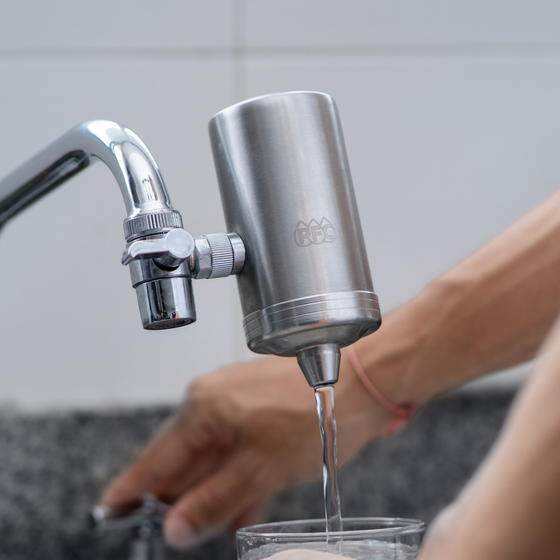
| You spend the day away and fill a bottle before leaving | PFC Faucet Filter |
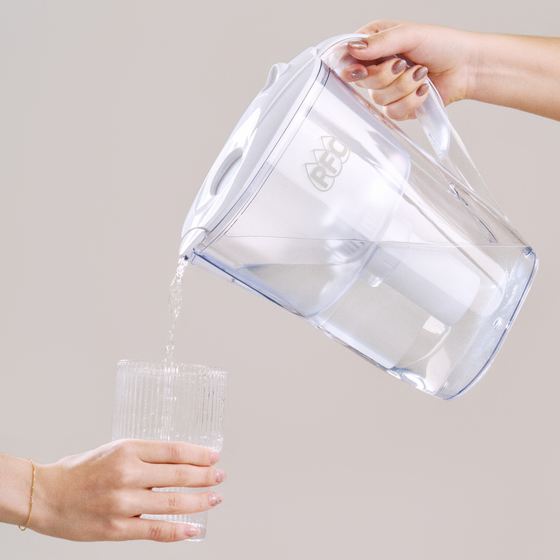
| You prefer cold water and always head to the fridge | PFC Filtered Pitcher |
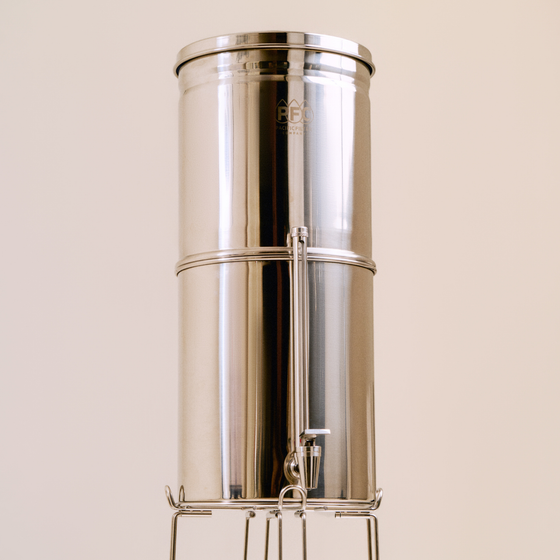
| Several people at home want water throughout the day | PFC Dispenser |
Any device you choose requires cartridge changes according to the manufacturer’s instructions. Maintenance is part of the decision, not an afterthought. Source: EPA
A small adjustment sustained over time
You do not need to reorganize your day. Water simply needs to become something already ready, rather than something you have to go and get.
Start with the moment you need it most: leaving in the morning, coming home from work or lunchtime. Address that first.
Would you like your home’s water to be more appealing? Explore PFC filters and tell us about your day. We can explain each option’s features and care.
Free your water with PFC.
 Aquon by PFC