
Your Pet’s Water: What to Check When Filling the Bowl
The water bowl is probably the container in the house that gets refilled most often and washed least often.
We pour fresh water over whatever is left, move it out of the way when it is inconvenient, and give it a thorough wash every so often, when we remember.
It deserves a closer look, because it can sometimes help explain why an animal is drinking less than expected.
First things first: your veterinarian is the reference
Questions about how much water your pet should drink, changes in drinking habits, or your pet’s health belong with your veterinarian.
A noticeable change in water intake—much more or much less than usual—is exactly the kind of sign to ask about rather than interpret on your own.
What follows is about handling water at home, not veterinary advice.
The film at the bottom
If you run a finger along the inside of a water bowl that has not been washed for days, you will probably feel a slippery layer.
That film develops over time in containers of water at room temperature, especially when an animal drinks directly from them and leaves traces of saliva and food.
Refilling without washing does not remove it. Instead, it builds up.
A reasonable routine is to wash the bowl daily with soap and water, scrubbing the inside rather than simply rinsing it. It is a short task that makes a difference.
The bowl’s material matters
Scratched plastic bowls trap residue more easily and are harder to clean thoroughly.
Stainless steel and undamaged ceramic are usually easier to maintain. If you use plastic, check for deep scratches and replace the bowl when they appear.
Another detail: a water bowl near food gets dirty much faster. Moving them a little farther apart helps.
Some animals drink less when the water has been sitting
Cats, in particular, may prefer moving or freshly served water.
Some things you can try:
- Change the water more than once a day, even if the bowl is not empty.
- Put more than one water bowl in different parts of the home.
- Keep bowls away from the litter box or toilet area.
- Use a wide bowl that does not brush against the whiskers while drinking.
- Try cool water on hot days.
If you notice changes in how much your pet drinks, discuss them with your veterinarian rather than assuming they are a preference.
Does it matter whether the water is filtered?
It helps to be clear about what we know and what we do not.
What we can say: if your water has a noticeable chlorine smell, an animal with a much more sensitive sense of smell may notice it too. Some people observe that their pets drink more when the water has less odor.
What belongs with your veterinarian: any recommendation about suitable water for an animal with a specific health condition.
If you choose filtered water, remember that a home filter should be selected according to what you want to reduce. Start with the goal, then choose the equipment. Source: CDC
A practical advantage of keeping filtered water handy
When water is ready and accessible, changing the bowl becomes an easy part of the routine.
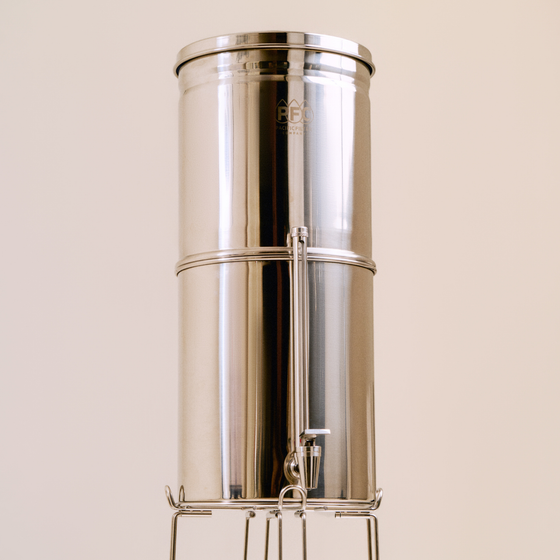
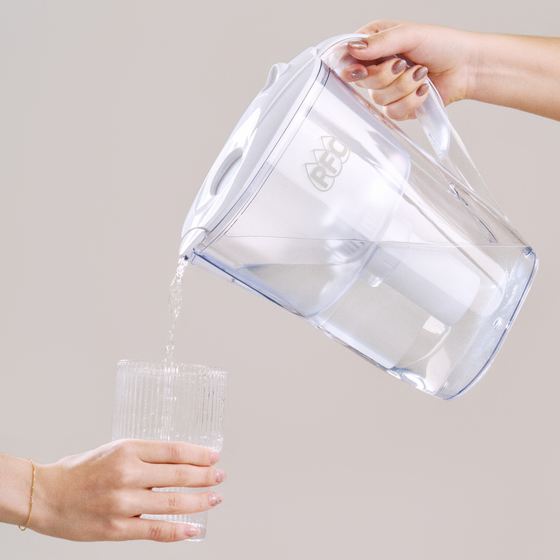
A PFC Dispenser in a fixed spot or a PFC Filtered Pitcher in the fridge can make refilling twice a day more convenient than having to go and find water each time.
That is the practical benefit here: the ease and frequency of changing the water.
During advisories and water outages
If a drinking-water advisory is in effect in your community, official instructions also apply to the water you give your animals. Follow those instructions even if you have a filter. Source: CDC
If you store water for a planned outage, use clean containers suitable for that purpose, with lids, protected from sunlight and chemicals. Source: CDC
A routine you can keep up
- Wash the bowl daily, scrubbing rather than just rinsing.
- Change the water more than once on hot days.
- Check for scratches and replace it when needed.
- Keep water close at hand to make refilling easy.
- Ask your veterinarian about any change in drinking habits.
Want to make refilling the water bowl easier? Explore PFC filters and tell us about your home. We can help you consider an option that fits.
Free your water with PFC.
 Aquon by PFC